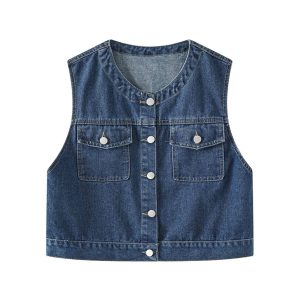
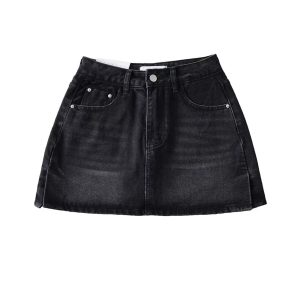
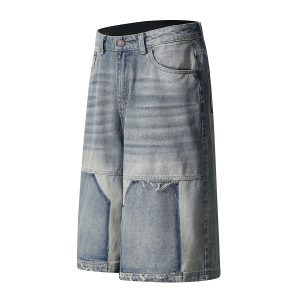
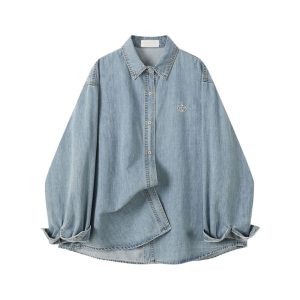
Denim has long been a staple in the fabric world, synonymous with durability and style. As the fashion industry evolves, so too does the demand for quality denim. Understanding the forces behind denim apparel production—namely, the manufacturers—offers insights into the trends that shape this beloved textile. In this article, we will explore the leading denim apparel manufacturers and what sets them apart in an ever-competitive market.
The History of Denim Manufacturing
Denim’s origins can be traced back to the late 17th century in France, but it wasn’t until the 19th century that it exploded into the fashion mainstream, largely due to its association with workwear. The introduction of riveted jeans by Levi Strauss and Jacob Davis in the 1870s revolutionized how denim was perceived, transforming it into a lifestyle statement, embraced by all walks of life.
Today, denim manufacturers are not only tasked with producing durable fabrics but also with adhering to sustainable practices that appeal to eco-conscious consumers. From organic cotton to innovative recycling methods, modern denim production requires a balance between heritage craftsmanship and contemporary demands.
Top Denim Apparel Manufacturers
1. Levi Strauss & Co.
As one of the pioneers of denim jeans, Levi Strauss & Co. continues to lead the industry with innovative practices. Known for their iconic 501 jeans, Levi’s not only shapes trends but also sets standards for sustainable production. Their Water AG Adriano Goldschmied is revered for its premium denim offerings. The brand focuses on combining vintage craftsmanship with modern aesthetics. With a keen eye for detail and quality, AG produces jeans that are not only stylish but also impeccable in fit. Their commitment to sustainability is evident in their use of eco-friendly dyes and materials. Wrangler has carved its niche in the denim market by focusing on rugged, outdoor-oriented apparel. Originally designed for cowboys, Wrangler jeans are now synonymous with durability and comfort. Their collaboration with sustainable practices, including their use of recycled materials, positions them as an innovative leader in the industry. Nudie Jeans is a Swedish brand, exemplifying transparency and sustainability in denim production. They pride themselves on their ‘repair’ program, urging customers to get their jeans repaired rather than discarded. Their commitment to organic cotton and sustainable practices has earned them a loyal customer base among sustainability advocates. The demand for sustainable products is reshaping how denim is manufactured. Consumers are no longer satisfied with just the end product; they are increasingly interested in the manufacturing process. Sustainable practices employed by top manufacturers include: Technology is playing an increasingly important role in denim production, with innovations set to transform the industry. Automated production lines enhance efficiency, while digital fabric printing allows for complex designs without the need for extensive dye processes, reducing waste. Furthermore, technologies that enable the recycling of denim fabric are becoming mainstream, streamlining the path toward a circular economy in fashion. As we look to the future, several trends are emerging in the denim industry. Customization and personalization are becoming essential as consumers look for unique pieces. Moreover, the rise of smart textiles is making waves, with manufacturers exploring denim that can provide added functionalities, such as temperature regulation and moisture-wicking properties. Additionally, the shift toward transparency in manufacturing practices is gaining traction. Consumers are becoming more aware of the impacts of their purchases, leading to increased demand for brands that can provide detailed information about their supply chains. The denim industry is at a pivotal point, balancing rich traditions with modern demands. As manufacturers adapt to trends in sustainability, technology, and consumer preferences, the landscape of denim apparel continues to evolve. The brands mentioned are just a few examples of how dynamic and innovative the denim manufacturing sector has become.2. AG Adriano Goldschmied
3. Wrangler
4. Nudie Jeans
Sustainable Denim Manufacturing Practices
The Role of Technology in Denim Production
Future Trends in Denim Manufacturing
Conclusion