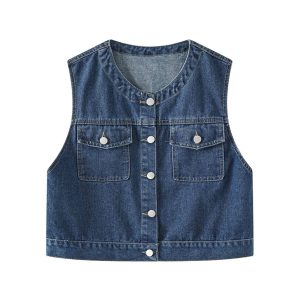
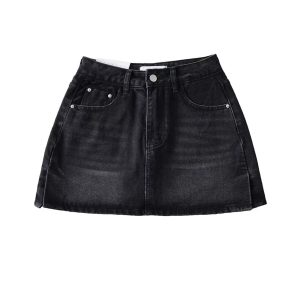
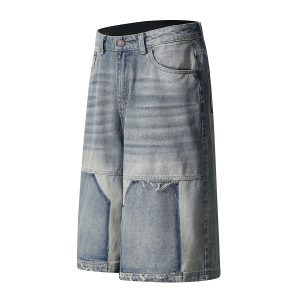
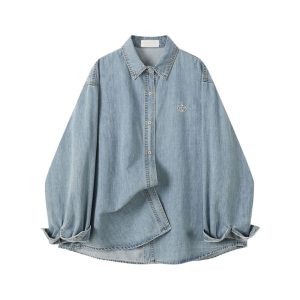
As the global fashion landscape evolves, so too do the trends among jeans manufacturers. In 2023, the denim industry is witnessing a remarkable transformation driven by sustainability, innovative technologies, and the ever-changing consumer preferences. This blog aims to explore the key trends shaping the jeans manufacturing sector, shedding light on how brands are adapting to remain competitive and relevant.
Sustainable Manufacturing: The Shift Towards Eco-Friendly Practices
With increasing awareness surrounding climate change, many brands are pivoting towards sustainable manufacturing practices. This shift is not just a trend but a crucial response to consumers’ demand for environmentally conscious fashion. Leading jeans manufacturers are now prioritizing the use of organic cotton, recycled materials, and water-saving technologies.
For instance, brands like Levi’s and Nudie Jeans have implemented innovative techniques that significantly reduce water usage during production. By utilizing methods such as Water Furthermore, recycled denim is gaining popularity, with firms collecting old jeans to create new products. This upcycling initiative not only reduces waste but also appeals to eco-conscious buyers. Denim brands are increasingly showcasing their commitment to environmental responsibility, thus enhancing brand loyalty and customer engagement. The incorporation of technology into jeans manufacturing processes is another trend redefining the industry. Smart manufacturing techniques are enabling companies to streamline operations, reduce production costs, and improve product quality. Automation and robotics play a vital role in enhancing efficiency, allowing manufacturers to meet high demand without compromising on craftsmanship. 3D printing technology has emerged as a game-changer in creating custom-fit jeans. Leading manufacturers are experimenting with digital modeling techniques that allow consumers to virtually try on jeans before purchasing. This trend enhances the shopping experience and reduces returns due to size mismatches, ultimately benefiting the environment. Today’s consumers are more informed and trend-driven, thus shaping how jeans manufacturers market their products. The casualization of fashion, especially post-pandemic, has increased the demand for comfortable and versatile jeans. As a result, brands are focusing on producing items that blend fashion with functionality. Gender-neutral clothing continues to rise in popularity, with manufacturers catering to all demographics. Unisex jeans are designed to meet diverse body types and sizes, creating inclusive opportunities for consumers. Brands like Everlane and ASOS are successfully capitalizing on this trend by offering gender-free options that embrace simplicity and comfort. Another fascinating trend catching fire among jeans manufacturers is the rise of collaborations and limited-edition releases. Partnering with artists, designers, or celebrities to create unique denim pieces pulls in additional customers while infusing creativity into conventional styles. These collaborations often generate buzz and excitement, leading to increased sales and brand visibility. Indigo artists and streetwear influencers have started collaborating with major brands to create one-of-a-kind denim pieces that showcase artistic flair. These collaborations may involve unique patterns, paints, or distressing that push the envelope of traditional denim aesthetics. Consumers are drawn to pieces that not only offer utility but also serve as a canvas for expression. Amidst the modernity of smart fabrics and high-tech manufacturing, vintage and retro denim styles are making a significant comeback. The nostalgia associated with previous decades is encouraging manufacturers to reintroduce classic fits such as high-waisted jeans, wide-legged trousers, and distressed denim. The thrifting culture has gained substantial traction, with many consumers opting for secondhand shopping as an alternative to fast fashion. This trend motivates some manufacturers to focus on producing timeless designs that withstand fleeting fashion cycles. Retailers like Depop and Poshmark have created platforms where consumers can buy, sell, and trade vintage denim, further promoting sustainability within the industry. In 2023, jeans manufacturers are also observing a shift towards localization. As supply chain challenges arise, brands are reconsidering their manufacturing locations and opting for local production. This not only reduces their carbon footprint but also allows brands to respond quicker to consumer demands. Simultaneously, emerging markets are opening up new opportunities for jeans manufacturers. Countries in Asia and Africa are becoming significant players in the denim market, with a growing middle class and increasing demand for fashionable apparel. Bright future trends indicate that brands focusing on diversifying their reach and expanding into these markets may see substantial growth. The denim industry is experiencing an exciting evolution driven by sustainability, technological advancements, and shifting consumer preferences. As leading jeans manufacturers navigate these trends in 2023, it is essential for them to remain adaptable and responsive to change. By embracing sustainability, leveraging technology, and appealing to diverse consumer needs, brands can position themselves for a successful and responsible future.Recycled and Upcycled Materials
Technological Innovations in Jeans Manufacturing
3D Printing and Digital Innovations
Shifting Consumer Behavior and Denim Trends
Gender-Neutral Styles
Creative Collaborations and Limited Editions
Artistic Take on Denim
The Rise of Vintage and Retro Styles
Thrifting Culture and Secondhand Markets
Global Market Trends: Expansion and Localization
Emerging Markets
Final Thoughts on the Future of Jeans Manufacturing