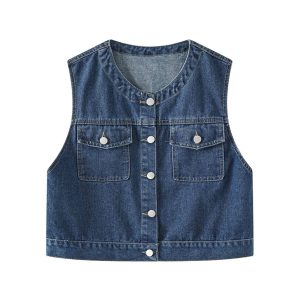
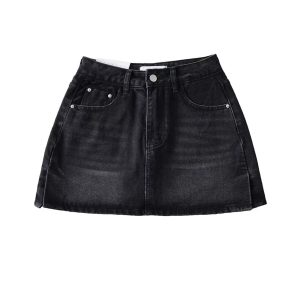
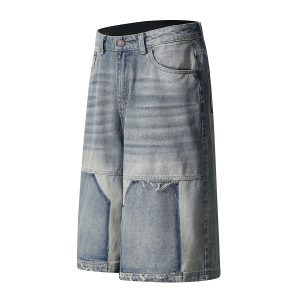
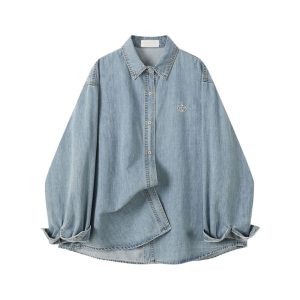
In recent years, the fashion industry has seen a resounding resurgence in vintage aesthetics, particularly when it comes to denim. Nowhere is this phenomenon more apparent than in men’s vintage jeans. This blog post explores the evolution of vintage jeans, the growing demand among modern consumers, and essential tips for suppliers looking to source high-quality vintage denim products. Whether you’re a retailer, a fashion brand, or just a passionate denim enthusiast, understanding the vintage jeans market can open new avenues for business growth and customer engagement.
The Evolution of Denim: From Workwear to Fashion Statement
Denim was initially created as a durable fabric for laborers in the late 19th century. It wasn’t long before jeans transitioned from workwear to a symbol of rebellion and then a staple of everyday wear. The 1970s and 1980s heralded the golden age of denim, with jeans becoming a key fashion item bought and styled in myriad ways. Today, vintage jeans encompass a wide array of styles, washes, and fits, with iconic 501s, bell-bottoms, and high-waisted designs commanding the most attention.
The Vintage Jeans Resurgence: What’s Driving the Trend?
Several factors contribute to the resurgence of vintage jeans among men:
- Sustainability: In an age where environmental consciousness is paramount, consumers are increasingly turning to sustainable fashion options. Vintage jeans present an eco-friendly alternative to fast fashion.
- Nostalgia: The growing popularity of vintage styles is closely tied to an enduring sense of nostalgia. Many consumers find comfort and familiarity in styles that harken back to previous decades.
- Uniqueness: Vintage denim pieces often come with unique details and character that mass-produced jeans lack. Fashion enthusiasts are motivated by the desire to stand out and make a personal statement through their attire.
- Influencer Culture: Social media influencers and celebrities who showcase retro styles have significantly impacted vintage clothing’s popularity, making it less about necessity and more about lifestyle.
Understanding the Vintage Jeans Market
For suppliers, understanding the market dynamics can be pivotal in positioning oneself effectively. Key considerations include:
- Target Demographics: Men aged 18-35 make up a large share of vintage jeans consumers. This group places a high value on style, sustainability, and storytelling behind products.
- Pricing Strategies: Vintage items can vary considerably in price. Awareness of market standards and smart pricing strategies can attract a diverse customer base.
- Brand Positioning: Branding plays a critical role in influencing consumer choice in a flooded market. A strong narrative around sourcing, sustainability, and authenticity can create lasting connections.
How to Source Vintage Jeans: A Practical Guide for Suppliers
Sourcing premium vintage jeans may seem daunting, but with the right approach, it can be an exciting venture. Here are actionable steps suppliers can take:
1. Build Relationships with Wholesalers and Collectors
Establish networks with vintage denim wholesalers and collectors. These relationships can provide you access to exclusive pieces that aren’t readily available in mainstream markets.
2. Attend Vintage Clothing Fairs
Many cities host vintage clothing fairs where you can find rare pieces. Attending these events not only allows you to discover new inventory but also gives you insights into upcoming trends and pricing.
3. Leverage Online Marketplaces
Platforms like Etsy, Depop, and eBay have extensive offerings of vintage jeans. Regularly monitor these sites for high-quality finds and build connections with sellers to negotiate favorable deals.
4. Focus on Quality over Quantity
In the vintage market, consumers often prioritize quality and condition over sheer quantity. Invest time in sourcing well-preserved jeans that showcase durability, style, and authenticity.
5. Consider Upcycling
Upcycling vintage jeans into new styles can add value to your inventory. For instance, distressed jeans can be transformed into trendy shorts or patches, resonating with consumer preferences for customization.
Marketing Vintage Jeans Effectively
Once you’ve sourced quality vintage jeans, the next step is to market them effectively. Here are some strategies to enhance your marketing efforts:
1. Create Compelling Storytelling
Every vintage piece has a story. Highlighting the unique history of each item can create emotional connections with your customers.
2. Utilize Social Media
Platforms like Instagram and TikTok are ideal for showcasing vintage fashion. Utilize visually appealing content to engage with the audience and create a dedicated following.
3. Collaborate with Influencers
Partnering with fashion influencers can broaden your reach. Collaborations can create excitement around new arrivals and attract their loyal followers to your brand.
4. Optimize Your Online Store for SEO
Incorporate keywords such as “vintage jeans for men,” “denim history,” and “sustainable fashion” into your website content. This helps improve your search engine visibility and attracts organic traffic.
Trends to Watch in Men’s Vintage Jeans
As the vintage jeans market evolves, being attuned to emerging trends can help you stay ahead of the competition:
- Relaxed Fits: As comfort continues to trend, relaxed fits and baggier styles are gaining traction.
- Patchwork Denim: Upcycled and patchwork jeans are becoming increasingly popular, reflecting a creative and eco-conscious mindset.
- Graphic Prints: Vintage jeans adorned with bold graphic prints or embroidery can attract the younger demographic.
Understanding the landscape of vintage jeans for men is essential for any supplier in the fashion industry. Not only is it about sourcing quality products but also about connecting with a culture that values authenticity, history, and individuality. In harnessing modern approaches to marketing and sustainability with timeless designs, you can effectively capture the hearts— and wardrobes— of today’s discerning shoppers.