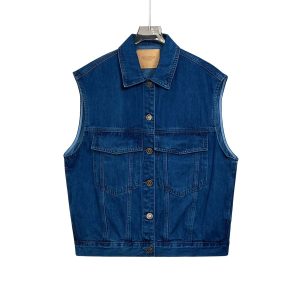
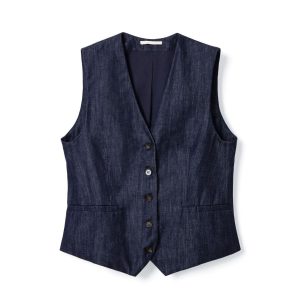
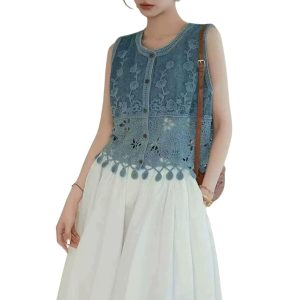
In the world of fashion, denim reigns supreme as a versatile and timeless fabric. Within the denim industry, a unique technique has emerged that transforms its durability and aesthetic appeal: sulfur dyeing. This innovative method not only enhances the color and texture of denim but also presents a more sustainable option compared to traditional dyeing methods. In this article, we will explore the significance of sulfur dyed denim, its benefits, and the role of manufacturers in leading the way towards eco-friendly practices.
Understanding Sulfur Dyed Denim
Sulfur dyes are a class of dyes that are primarily used for dyeing cotton and other cellulosic fibers. The process involves reducing the sulfur dye into a soluble form that can penetrate the fibers. Once the dye has entered the fabric, it is then oxidized back into its insoluble state, primarily through exposure to air, which allows the vibrant colors to bond permanently to the fibers.
One of the standout qualities of sulfur dyed denim is its depth of color. These dyes offer muted shades ranging from deep blacks to vibrant shades of blue, green, and yellow—a palette that is particularly appealing to both manufacturers and consumers in the fashion industry. Additionally, the color fastness of sulfur dyes is remarkable, meaning that garments maintain their hue even after numerous washes, making them a favorite among denim manufacturers.
The Environmental Impact of Sulfur Dyeing
As consumers grow increasingly conscious of the environmental impacts of their purchases, the demand for sustainable fashion practices is on the rise. The traditional processes of dyeing fabrics often involve harmful chemicals and extensive water usage. Sulfur dyeing, on the other hand, offers a significantly lower environmental impact.
Manufacturers who adopt sulfur dyeing techniques report a decrease in water usage since the dyeing process requires less rinsing than conventional methods. This reduction not only conserves water but also minimizes the pollution associated with dye effluent, contributing to cleaner waterways and ecosystems.
Benefits for Manufacturers
For denim manufacturers, adopting sulfur dyeing methods has financial and branding benefits. The cost associated with the dyeing process tends to be lower since sulfur dyes can be produced from abundant raw materials, reducing dependence on costly synthetic dyes.
Furthermore, by incorporating eco-friendly practices into their production lines, manufacturers open themselves up to a growing market of conscious consumers. Fashion brands that emphasize sustainability in their product offerings find themselves appealing to a broader audience, particularly among younger consumers who prioritize ethical manufacturing.
The Art of Craftsmanship in Sulfur Dyed Denim
While the technical aspects of sulfur dyeing are crucial, the artistry behind creating denim that stands out is equally important. Skilled artisans blend tradition and innovation to produce denim that not only represents style but also tells a story. From selecting the right blend of fibers to meticulously managing the dyeing process, the craftsmanship involved is impressive.
Manufacturers are constantly experimenting with different dyeing techniques, combining sulfur dyeing with other methods such as tie-dyeing or acid washing to create unique finishes. This innovative streak leads to exciting new trends in the denim industry, giving rise to custom looks that cater to diverse fashion tastes.
Global Trends and Market Demand
The global market for denim is in constant flux, shaped by consumer trends, technology, and cultural shifts. As the eco-conscious movement gains momentum, the demand for sustainably produced denim continues to rise. Brands that prioritize ethical sourcing, eco-friendly dyeing, and fair labor practices are not just meeting market needs; they are setting themselves apart in a competitive landscape.
According to industry reports, sales of sustainable denim have exploded in the past several years, with sulfur dyed options being at the forefront. Retailers, in their quest for differentiation, have started collaborating with manufacturers that specialize in sulfur dyed denim, capitalizing on the trend of ‘green’ fashion and appealing to consumers who are willing to invest in quality products.
Challenges and Innovations in Sulfur Dyeing
While sulfur dyeing presents numerous advantages, it is not without its challenges. Achieving consistent color and finish across larger production runs can be difficult. However, advancements in dyeing technology and machinery allow for better precision in the dyeing process—leading to higher quality outputs with fewer flaws.
Additionally, collaborations between manufacturers and textile experts are fostering innovation in sulfur dyeing techniques. New formulations and processes can create a broader range of shades and finishes, appealing to diverse fashion markets. Manufacturers are also investing in research to find alternative, sustainable sources for sulfur dyes, furthering their commitment to reducing environmental impacts.
Building a Sustainable Future in Denim Manufacturing
Looking ahead, the future of denim manufacturing is undoubtedly tied to sustainability. The adoption of sulfur dyeing is just one of many steps the industry is taking towards reducing its carbon footprint and embracing a more sustainable ethos. Manufacturers are increasingly called upon to implement holistic practices that encompass every aspect of production—from sourcing sustainable materials to optimizing supply chains.
As consumers continue to demand transparency and responsibility from brands, manufacturers that excel in sustainable practices will continue to thrive. From utilizing eco-friendly materials to adopting innovative dyeing techniques, the shift towards sustainable denim production is not just a trend; it is rapidly becoming the business standard.
In conclusion, sulfur dyed denim is more than just an aesthetic choice; it represents a movement toward sustainable and responsible fashion. With the collective efforts of manufacturers, designers, and consumers, the denim industry can lead the charge toward a greener future, proving that style and sustainability can go hand in hand.