In today’s business landscape, a company’s visual identity travels far beyond a logo on a business card. It extends to every employee who represents the brand in the field, at client sites, in the showroom, or during conference events. That is why selecting the right corporate uniform supplier is not merely a procurement decision; it is a strategic move that affects brand perception, employee morale, safety compliance, and operational efficiency. The best corporate uniform suppliers combine design sensibility with manufacturing prowess, offering end‑to‑end solutions through OEM/ODM capabilities that align with your brand standards and business goals.
At the heart of successful uniform programs lies a partner who understands your industry, your people, and your long‑term growth trajectory. This is where established OEM/ODM garment factories—like Newasia Garment—shine. With decades of experience in large‑scale production, deep technical know‑how in fabrics and finishes, and a client‑centric approach to product development, an OEM partner can transform a vague concept into a reliable, scalable, and stylish uniform program. The result is a cohesive corporate image, consistent wearer experience, and a supply chain that can adapt to evolving needs.
The strategic value of consistent uniforms
Uniforms do more than dress employees; they communicate a brand story. Consistent color palettes, fabric textures, and logo placements signal professionalism and unity. When every department—from sales and customer service to operations and maintenance—wears uniforms that reflect your brand standards, you create a unified footprint that customers recognize instantly. A well‑executed uniform program also reduces decision fatigue for employees: choosing workwear that is comfortable, functional, and compliant with safety requirements saves time and improves morale.
From an ROI perspective, a uniform program supported by a capable supplier can lower total cost of ownership (TCO) in several ways. Durable fabrics reduce replacement cycles. Smart design reduces laundering costs and extends garment life. On‑brand customization minimizes waste by ensuring every piece serves a clear purpose. And a vendor with robust prototyping and quality control processes minimizes the risk of costly reworks and returns. In short, a thoughtful uniform program is an investment in brand equity, productivity, and employee wellbeing.
OEM/ODM as a competitive edge
Original Equipment Manufacturing (OEM) and Original Design Manufacturing (ODM) empower your company to tailor every garment to your exact specifications—from fabric weight and color tone to stitching techniques and logo treatment. An effective OEM/ODM partner acts as an extension of your product and branding team. They translate your guidelines into production-ready designs, produce samples for proofing, and iterate quickly until the fit, feel, and appearance meet your standard.
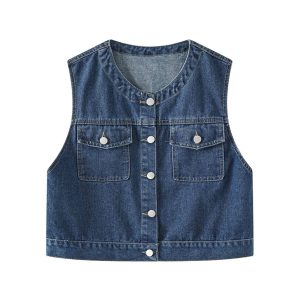
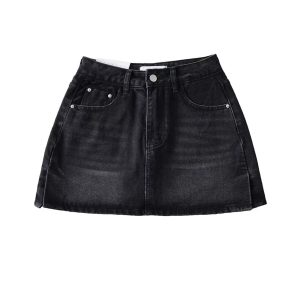
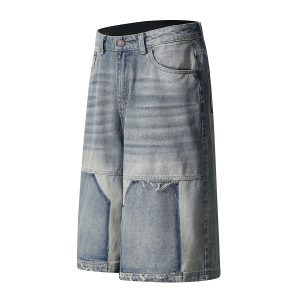
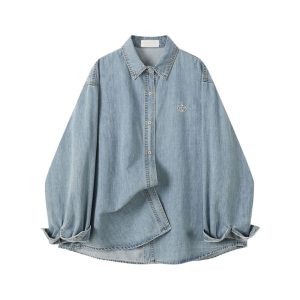
Newasia Garment exemplifies this approach. As a seasoned OEM/ODM garment factory with a long‑standing history and a global client base, Newasia brings not only manufacturing scale but also a deep understanding of fashion and workwear needs. The company’s capabilities span denim, casual pants, jackets, and technical outerwear, with a track record of delivering consistent quality across large orders. The combination of design flexibility, reliable prototyping, and rigorous quality control makes OEM/ODM an essential capability for modern corporate uniform programs.
Choosing a partner with robust OEM/ODM capabilities helps your brand stay agile. When your design evolves—whether you need a new colorway for a seasonal campaign or a revised utility pocket configuration for a field team—the supplier can respond with speed, reducing downtime and keeping your teams looking coordinated. In industries with strict appearance standards or safety requirements, the ability to specify technical fabrics, flame resistance, moisture wicking, or chemical resistance is a practical necessity rather than a luxury.
The production journey: from concept to closet
Understanding how a corporate uniform program comes to life helps set realistic expectations and timelines. A typical production journey includes several key milestones:
- Discovery and design brief: Your branding guidelines, wearer demographics, job functions, and environmental conditions set the foundation. This stage establishes color standards (Pantone references), fabric families, and approved logo treatments.
- Fabric selection and performance testing: Depending on the environment, the garment may require moisture management, flame resistance, anti‑wrinkle properties, or enhanced durability. The supplier provides fabric swatches, lab testing data, and care instructions to confirm suitability.
- Prototyping and fittings: A series of samples—from style, size, and fit to the placement of logos and patches—are produced for wearer trials. Feedback is captured and incorporated into subsequent iterations.
- Pre‑production and tooling: Once the final design is approved, production tooling, cut plans, and quality checks are established. This step ensures consistency across all sizes and batches.
- Bulk production and quality control: Large runs are monitored with inline QC checks, supplier audits, and third‑party testing when necessary. Documentation accompanies every batch for traceability.
- Logistics and distribution: Garments are packaged, branded if required, and shipped to your distribution centers or directly to sites. An effective program includes a replenishment plan to replace worn or outgrown pieces without disruption.
Newasia’s value lies in managing this journey with precision. The company emphasizes rapid prototyping, scalable production, and transparent communication, ensuring your uniform program stays aligned with brand standards as you scale or refresh collections. By integrating design, sourcing, and manufacturing under one roof, a corporate uniform supplier reduces risk, speeds up delivery, and preserves uniform integrity across every wear consumer touchpoint.
Quality, compliance, and safety: core pillars
Quality control is not a checkbox—it is a continuous, data‑driven discipline. For corporate uniforms, quality translates into fit, finish, colorfastness, seam integrity, and performance under real‑world conditions. A dependable supplier uses a multi‑stage QC process that includes:
- Material verification: Confirming fabric composition, weight, and performance attributes match the approved specification.
- Pre‑production sampling: Iterative checks on first samples to catch any deviations before mass production.
- In‑line production checks: Ongoing inspection during manufacturing to prevent defects from propagating down the line.
- Final inspection and packaging: Verifying size accuracy, logo alignment, stitching quality, and packaging standards.
- Compliance and safety: Ensuring garments meet local regulations for protective clothing, flammability ratings, and chemical usage where required.
For brands operating globally, a uniform supplier must also demonstrate supply chain transparency and ethical manufacturing practices. The ability to audit factories, source responsibly, and provide traceability for each lot helps you meet corporate governance standards and sustainability commitments. A partner with an established track record in quality and compliance reduces risk and reinforces customer trust in your brand.
Styles, fabrics, and branding options that work
Corporate environments demand a balance of comfort, durability, and professional appearance. The fabric portfolio typically includes:
- Polyester blends for durability, easy care, and color retention
- Cotton blends for comfort and breathability
- Technical fabrics with moisture wicking, anti‑wrinkle, and quick‑dry properties
- Flame‑resistant or arc‑rated fabrics for safety‑critical roles
- Stretch options for mobility in active tasks
Branding options are equally important. A capable supplier can execute multiple logo treatments, including embroidery, screen printing, heat transfers, fabric patches, and woven labels. The choice depends on garment type, wash care, and branding guidelines. For example, executive wardrobes may favor refined embroidery on blazers and knit polos, while frontline teams might benefit from durable screen printing on outerwear or hospitality shirts. A unified branding approach across all garments helps create a cohesive, instantly recognizable look.
Color management is another critical area. Consistent dye lots, color fastness testing, and standardized color libraries ensure that every batch matches your established brand palette. When organizations rebrand or update their color stories, an experienced supplier can adapt quickly—providing new colorways, comparing legacy shades, and coordinating with you to minimize disruption.
Sustainability and responsible manufacturing
Modern corporate uniform programs increasingly address environmental and social responsibilities. Sustainable fabrics, reduced water usage, and responsible dye processes are not optional luxuries; they are becoming baseline expectations for many brands and customers. A forward‑looking supplier will discuss:
- Fabric choices with lower environmental impact, such as recycled polyester or responsibly sourced cotton
- Waterless or low‑water dyeing technologies and eco‑friendly finishing
- Traceability across supply chains to ensure ethical labor practices
- Garment recycling or take‑back programs to minimize waste
Beyond materials, responsible manufacturing includes efficient cut‑planning to reduce fabric waste, energy‑efficient machinery, and ethical labor practices. For companies with sustainability goals, collaborating with a supplier that can document improvements with data and certifications helps demonstrate progress to stakeholders and customers alike.
Cost, lead times, and partnership models
Cost structures for corporate uniforms vary by fabric, design complexity, volume, and service level. A robust supplier will provide transparent pricing models, including unit costs, customization charges, sampling fees, and logistics. Lead times are equally important, especially for seasonal campaigns or rolling rollouts across multiple sites. A strong partner offers predictable calendars, buffer options for peak demand, and contingency plans for disruptions.
Partnership models range from outright purchase programs to managed services that cover design, procurement, uniform issuance, and lifecycle management. Some brands prefer a rental model for certain categories (e.g., hospitality or healthcare) where the supplier handles laundering and repairs, while others opt for a managed ownership approach with regular refresh cycles. The right model depends on your organization’s size, turnover, maintenance capabilities, and compliance requirements. The key is to establish clear service level agreements (SLAs), performance metrics, and escalation paths so the program remains consistent over time.
A practical buying guide: checklist for choosing a corporate uniform supplier
To help you evaluate potential partners, consider the following checklist:
- OEM/ODM capabilities: Can the supplier design, prototype, and manufacture to your exact specs?
- Fabric and finish quality: Are there clear specifications, testing data, and material trials available?
- Branding versatility: What logo treatments and placement options are offered?
- Color consistency: How are color standards maintained across production lots?
- Quality control rigor: What are the QC processes, pass rates, and incident handling procedures?
- Lead times and capacity: Can the supplier scale to your anticipated volumes and deadlines?
- Sustainability credentials: Are there certifications, audits, and waste reduction programs?
- Supply chain transparency: Can you trace materials back to origin and ensure ethical practices?
- Customer service and account management: How will communications be structured, and who is the primary contact?
- Post‑sale services: Are there repair, replacement, and restocking options?
In addition, request samples and pilot a mini program before full deployment. A practical test run helps ensure sizing, fit, comfort, and branding align with expectations. It also reveals potential process gaps in ordering, customization, or logistics that you can address early in the partnership.
Future trends: staying ahead of the curve
The landscape of corporate uniforms is evolving in response to workforce dynamics and technology. Some trends you may want to watch include:
- Smart textiles and wearable tech integration for safety and performance monitoring
- Modular uniform systems that allow easy reconfiguration for different job roles
- Enhanced laundering technologies and care labels that extend garment life
- Digital catalogues and virtual try‑ons to improve sizing accuracy and reduce returns
- Hybrid models that blend owned apparel with rental or lease options for flexibility
Adopting these trends through a trusted OEM/ODM partner can help your brand stay modern without sacrificing consistency or control. The right supplier will guide you through the evaluation of new fabrics, finishes, and care methods, ensuring any innovations align with your budget, branding, and sustainability commitments.
Putting it into practice: a sample program with Newasia Garment
Imagine a mid‑sized technology company expanding its field teams across multiple regions. The goal is to present a professional image while maintaining comfort during long days of travel and client meetings. The company collaborates with Newasia Garment to define a uniform program that includes:
- A denim‑and‑blazer capsule for regional offices to project a premium, industry‑appropriate look
- Breathable polo shirts and soft‑shell jackets for field engineers, with logo embroidery and subtle color accents
- Safety‑compliant outerwear for service technicians, incorporating reflective trims and durable zippers
- Care instructions and warranty covering fabric wear, seam integrity, and colorfastness
- A replenishment system that automatically orders replacements as employees size changes or pieces wear out
The result is a cohesive, brand‑forward uniform program that scales with the company’s growth. Prototyping and fittings ensure a perfect fit for diverse body types, while a robust QC regime minimizes defects and returns. Through this partnership, the organization gains peace of mind knowing that every garment reflects its identity—from the conference room to the site visit.
Partnering with a proven corporate uniform supplier
Choosing the right supplier is less about short‑term savings and more about long‑term performance. A well‑chosen partner delivers design leadership, manufacturing reliability, and a service model that keeps your people looking consistent and feeling confident year after year. For brands seeking a turnkey solution—from ideation to delivery and lifecycle management—an OEM/ODM specialist with a global footprint and a heritage in garment craftsmanship is a strategic ally.
Newasia Garment represents a compelling option for brands aiming to elevate their corporate image while maintaining control over quality, cost, and schedule. With a proven track record across denim, casual wear, and technical outerwear, Newasia can translate a simple concept into a fully realized uniform program that aligns with your branding architecture and operational realities. The combination of large‑scale production capability, agile prototyping, and a commitment to design integrity positions Newasia as more than a supplier—it becomes a strategic collaborator in your brand story.
If you are ready to explore a corporate uniform program that harmonizes aesthetics, function, and sustainability, consider initiating a discovery session with an OEM/ODM partner who can demonstrate process transparency, rigorous quality control, and a clear path from concept to closet. A thoughtful, well‑managed uniform program can transform how your teams present themselves, how clients perceive your business, and how your brand travels through the marketplace.
Take the next step by outlining your branding guidelines, preferred fabrics, and budget parameters. Invite a prospective partner to provide samples, a prototyping timetable, and a transparent cost structure. The objective is not merely to purchase clothing; it is to establish a lasting uniform program that supports your people, protects your brand, and drives measurable value across the organization.
In the end, the right corporate uniform supplier—one with OEM/ODM capabilities, a devotion to quality, and a deep understanding of branding—will become an extension of your business. They translate your brand ideals into garments that perform, endure, and look exceptional in every encounter. When your teams feel dressed for success, your brand gains momentum wherever it goes.