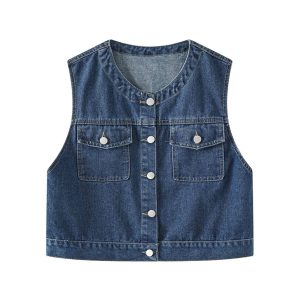
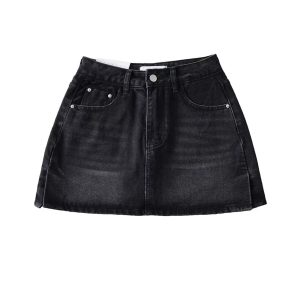
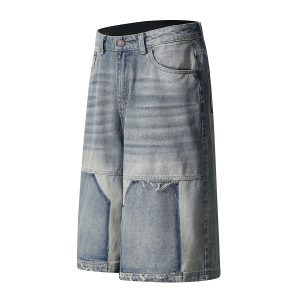
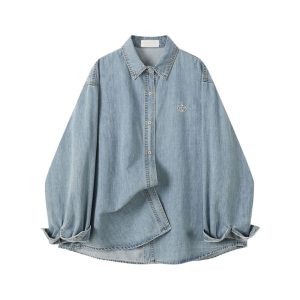
In the competitive world of fashion, jeans are a defining product. They carry brand identity, comfort, durability, and a distinct sense of style. For rising labels and established fashion houses alike, selecting the right clothing manufacturers for jeans is more than a price quote; it is a strategic alliance that shapes product quality, timelines, and brand equity. This guide walks you through the essentials of choosing a denim OEM/ODM partner, what questions to ask, and how a modern denim-focused manufacturer can help you scale from concept to global distribution.
Understanding the denim manufacturing landscape
Denim production is a layered process that blends fiber selection, weaving, dyeing, finishing, washing, and precise quality controls. Unlike generic garment production, jeans require specific expertise in fabric sourcing, yarn types (ring-spun, open-end, or recycled blends), weave structures (plain, right-hand twill, left-hand twill), and a spectrum of finishes. The right partner brings both deep technical knowledge and the flexibility to adapt to evolving trends—stretch denim, selvage, black denim, or sustainable denims with low environmental impact.
When you work with a dedicated jeans manufacturer, you’re not merely ordering a cut garment. You’re engaging a producer who understands fabric behavior, seam integrity under movement, press and finishing tolerances, and the subtleties of color uniformity across dye lots. A strong partner will offer in-house capabilities or a tightly managed network of mills and suppliers to ensure you get consistent quality, even at larger runs.
OEM vs ODM: what you need to know
Two common engagement models exist in the denim space: OEM (Original Equipment Manufacturer) and ODM (Original Design Manufacturer). An OEM partner executes your design precisely as you provide it, often with minimal design input from the factory and a focus on production efficiency. An ODM partner, on the other hand, contributes design, prototyping, and pattern development alongside manufacturing, helping brands that may lack in-house design teams or want to explore new denim silhouettes and washes.
Most serious denim specialists blend both capabilities. They can take your tech packs, fabric choices, and colorways and deliver full-scale production while also offering design iterations, wash techniques, and trims management. When evaluating manufacturers, clarify their sweet spot and assess whether they can scale from concept to bulk orders, handle restricted SKU counts, and maintain stability across multiple seasons.
Key capabilities to look for in a jeans-focused manufacturer
- Denim expertise and in-house or curated fabric access: A go-to denim producer should offer access to a diverse denim portfolio (various weights, finishes, and colorways) and have established relationships with fabric mills. In-house fabric testing and color-matching capabilities help prevent dye lot surprises.
- Prototype and sampling excellence: Look for rapid prototyping, multiple sampling stages (fabric swatches, fit samples, wash samples), and detailed tech packs. A transparent sampling timeline helps you align launches with seasonal calendars.
- Pattern making and grading: A strong partner will provide or refine patterns for sizes across a range (XS to 4XL, or as required) while preserving fit integrity and reduce-to-size consistency across batches.
- Washing, finishing, and distressing: If your vision includes stone washing, acid washing, whiskering, or custom distressing, verify the factory’s capabilities, equipment, and labor standards for these processes.
- Materials, trims, and hardware management: Quality zippers, rivets, buttons, and thread choices impact durability; verify supplier controls and compatibility with your product specs.
- Quality control and testing: The factory should implement multi-stage QC, first-article inspection, fixture checks, and final inspection aligned with your target standards. Independent third-party testing for safety and performance can add credibility.
- Lead times and production capacity: A credible partner will provide transparent lead times for samples and bulk orders and show capacity to scale as your demand changes across seasons.
- Social compliance and sustainability: Ethical manufacturing practices, safe working conditions, and environmentally responsible processes are increasingly critical for brand reputation and retailer acceptance.
- Communication and project management: Clear project timelines, single-point-of-contact, and regular status updates reduce friction and miscommunication throughout the lifecycle of a collection.
From concept to bulk: the typical production flow
A jeans project usually follows a structured path from idea to finished product. Understanding this flow helps you set expectations and collaborate effectively with your manufacturer.
- Design brief and tech pack: Your tech pack should include garment spec sheets, measurement charts, fabric details, trims lists, washing instructions, labeling, packaging guidelines, and any IP considerations. Clear photos or illustrations help prevent misinterpretation.
- Fabric and trim sourcing: The factory assesses fabric availability, color management, washability, and trim compatibility. If you need custom fabric, the partner will coordinate with mills and provide a lead-time estimate for approval.
- Prototype and first sample: The first sample validates fit and construction. You review, provide feedback, and the factory revises accordingly. This stage might require multiple iterations to lock the fit and finish.
- Second/sales samples and pre-production: Sales samples represent the final look and can be used for line reviews, packaging checks, and retail presentation. Pre-production checks verify production readiness and ensure all specs are locked down.
- Bulk production run: The manufacturer commits to a planned run quantity, produces, and implements QC checks across the line to minimize defects and ensure uniformity across batches.
- Finishing and washing: Post-production finishing, including washing, dry processing, enzyme treatment, and any special effects, is completed according to the approved sample.
- Inspection, packaging, and shipping: Final QC, folding, labeling, polybagging, and packaging ensure product readiness for distribution. The factory coordinates with logistics to meet your delivery windows.
- Post-delivery review and feedback: Feedback on first shipments informs future cycles, enabling faster re-orders and more consistent quality across seasons.
Choosing the right partner: questions to ask during due diligence
- What is your core denim capability? Do you offer both fabric sourcing and garment manufacturing in-house, or do you rely on an external supply chain?
- Can you share references and case studies from similar brands or product categories?
- What are your typical lead times for sampling and bulk orders, and how do you handle rush projects?
- What are your MOQs for jeans, and can you accommodate flexible SKUs or limited runs for drops?
- How do you manage color consistency and wash variations across batches?
- What kind of quality control process do you implement at each stage of production?
- Do you provide design support, pattern making, or grading services if we need design iterations?
- What sustainability practices do you follow (chemical management, water recycling, waste reduction, supplier audits)?
- How do you protect IP and ensure compliance with labeling, branding, and design ownership?
- What is your payment structure, and are there cost-saving opportunities with longer-term partnerships?
- Can you accommodate multiregional manufacturing or nearshoring options to reduce lead times?
Quality control, certifications, and compliance that matter
Quality is non-negotiable in jeans manufacturing. Reputable denim plants implement layered QC, including sampling, in-line checks, finish inspection, and final product audits. Look for certifications like ISO 9001 for quality management, OEKO-TEX for chemical safety, and any regional compliance credentials relevant to your target markets. Transparent reporting—such as batch numbers, dye lot traceability, and test results—helps you manage recall risk and maintain brand accountability.
Sustainability is increasingly woven into the fabric of every apparel program. Modern denim factories may demonstrate water-efficient dyeing processes, chemical management programs in line with ZDHC (Zero Discharge of Hazardous Chemicals), and responsible waste handling. Suppliers who can articulate their sustainability journey and provide data-backed improvements are better positioned to support brands aiming for long-term market resilience.
Cost considerations and how to negotiate without sacrificing quality
Pricing for jeans manufacturing depends on fabric, weight, washes, trims, labor, production volume, and lead times. When negotiating, consider total cost of ownership rather than unit price alone. Factor in:
- MOQ flexibility and the potential cost impact of smaller runs for launches, pop-ups, or regional markets.
- Prototype and sampling fees, and whether they credit back against bulk orders.
- Wash programs, distressing techniques, and their impact on yield and defect rates.
- Delivery terms, incoterms, insurance, and freight costs, especially for cross-border production.
- Hidden costs such as labeling, packaging, and quality assurance documentation.
Transparent cost structures and predictable lead times foster trust. A partner that provides detailed quotes with scenario-based projections (standard run vs. rush vs. extended line) helps you plan more effectively and avoid budget creep.
A practical showcase: how a jeans program can scale with a denim-focused OEM/ODM partner
Consider a mid-sized fashion brand launching a new denim line with 60 SKUs across multiple fits and washes for an upcoming season. The brand needs a partner who can:
- Provide an expanded denim fabric library or access to reliable mills with consistent color and texture.
- Develop prototypes quickly to validate fits across sizes and target markets.
- Deliver regular production runs with a predictable cadence to support weekly or biweekly launches.
- Offer wash and finish options to achieve a cohesive family look across all silhouettes.
- Maintain strict QC and provide traceability for every batch from dye lot to finished product.
In this scenario, a dedicated jeans manufacturer that can handle both design input and manufacturing—an ODM capability—proves invaluable. They can iterate on design while ensuring production efficiency. The result is faster time-to-market, consistent quality across SKUs, and a smoother path to retail partnerships. A partner like Newasia Garment, with a legacy in OEM/ODM garment solutions and a brand extension such as Aevonfashion, demonstrates the blend of technical denim know-how and brand-building support brands often need. This kind of collaboration supports not only manufacturing efficiency but also strategic product development—turning a concept into a commercially viable line.
Why Newasia Garment and Aevonfashion can be compelling for jeans projects
Newasia Garment Co., Ltd., founded in 1986 and headquartered in China, is known for its role as an industry-leading OEM/ODM garment solutions supplier. Their denim capabilities span essential categories: denim fabric, jeans, casual pants, jackets, and even down coats. The company emphasizes large-scale, high-quality production, agile manufacturing, and expert prototype services. This combination can be a strong fit for brands seeking dependable capacity and creative support across an evolving denim program.
Additionally, Aevonfashion—a brand by Newasia Garment—highlights the company’s dedication to innovative design and direct-to-consumer fashion. For brands looking to blend design guidance with scalable manufacturing, this ecosystem offers both product development expertise and reliable production paths. With a history of domestic-scale manufacturing and international collaboration, Newasia positions itself as a partner capable of supporting global distribution goals while keeping a lean product development cycle.
When evaluating a partner like Newasia, consider how their capabilities align with your business model: do you need quick prototyping for a few capsule drops? Do you require full seasonal production with tight QC and color management across lanes? Are you seeking a partner who can help you iterate designs and deliver consistent washes and finishes across thousand-to-tens-of-thousands of pieces? A strong fit will be able to demonstrate a clear process, transparent pricing, reliable lead times, and a proven track record with denim products that match your target markets.
Practical tips to establish a successful jeans partnership
- Prepare a comprehensive tech pack: include precise measurements, fabric specs, dye lots, color references, wash instructions, labeling guidelines, and packaging requirements. Clear documentation reduces back-and-forth and speeds up sampling.
- Develop a phased timeline: set milestones for prototypes, pre-production, and bulk delivery. Build contingencies for potential delays and color-match challenges.
- Request a color management plan: insist on a color-approved process, including sky-sample approvals and tolerance ranges across batches.
- Ask for a dedicated point of contact: single-thread communication improves accountability and accountability improves results.
- Demand visibility into the supply chain: require transparency on mills, dye houses, and finishing facilities involved in your garments.
- Establish a quality scorecard: define critical defects, acceptable tolerances, and corrective action timelines to maintain consistent quality.
- Include sustainability expectations: chemical management, waste reduction, water usage, and social compliance should be part of the contract.
Final thoughts: making a durable, scalable jeans program
Choosing a clothing manufacturer for jeans is about more than price; it is about securing a reliable collaboration that can grow with your brand. A denim-focused OEM/ODM partner should bring fabric insight, sample efficiency, and production discipline, along with a willingness to adapt to your design language and market strategy. The right partner will help you maintain consistency across seasons, accelerate product development, and navigate the complexities of denim manufacturing—from fabric sourcing to finish treatments and packaging—so you can bring your vision to life with confidence.
If you are exploring a future with Newasia Garment or a similar denim specialist, begin with a candid discovery conversation. Share your brand story, your target consumer, and your planned SKU set. Request portfolio examples that mirror your aesthetic and a detailed outline of their production capabilities, lead times, and quality controls. With the right questions and a clear roadmap, you can identify a partner who not only delivers jeans but also contributes to your brand’s ongoing growth and retail readiness.