In the ever-evolving world of fashion, denim remains a staple fabric known for its durability and timeless appeal. With the increasing demand for comfort and versatility, stretch denim fabric has gained immense popularity. If you’re a clothing manufacturer or designer seeking the perfect supplier for stretch denim fabric for jeans, understanding the nuances of the material and the supplier’s capabilities is crucial. This comprehensive guide will navigate you through the key considerations when choosing a stretch denim fabric supplier, ensuring you make an informed decision that meets both your quality and budget requirements.
Understanding Stretch Denim
Stretch denim is a blend of traditional denim fabric combined with elastic fibers such as elastane (spandex). This unique composition allows for greater flexibility and comfort without compromising on the signature look of denim. Stretch denim provides a snug fit, making it an ideal choice for various styles, from skinny jeans to bootcuts. The fabric’s stretchability contributes to ease of movement, catering to a modern lifestyle where comfort is paramount.
Types of Stretch Denim
When exploring options for stretch denim fabric, it’s essential to understand the various types available:
- Power Stretch Denim: Offers maximum elasticity and recovery, retaining its shape even after multiple wears. Ideal for skinny jeans.
- Comfort Stretch Denim: Provides moderate stretch, combining the feel of traditional denim with a bit of elasticity for everyday wear.
- Super Stretch Denim: Engineered for extreme flexibility, this type is often used in performance jeans designed for activewear.
Key Factors to Consider When Selecting a Supplier
1. Quality of Fabric
Quality should always be your foremost consideration. Assess the fabric’s weight, durability, and construction. Request samples to evaluate how the fabric feels and performs under various conditions. A reputable supplier should be willing to provide swatches for testing.
2. Supplier’s Reputation
Research potential suppliers to gauge their reputation within the industry. Online reviews, client testimonials, and case studies can provide insight into their reliability and the quality of their products. Networking with other designers and manufacturers can also yield recommendations.
3. Minimum Order Quantities (MOQs)
Different suppliers have different MOQs, which could affect your production budget and planning. Evaluate your production scale and ensure the supplier’s MOQs align with your production needs without causing financial strain.
4. Pricing and Payment Terms
Cost-effectiveness is crucial, but it shouldn’t come at the expense of quality. Obtain quotes from multiple suppliers to compare prices, and inquire about payment terms. Some suppliers may offer better terms for bulk orders or incentives for long-term partnerships.
5. Lead Times and Shipping
Understanding the lead times for fabric production and shipping is essential for your project planning. Ensure your supplier can meet your timelines to avoid production delays. Additionally, consider their shipping options and costs to find the most efficient and affordable solution.
6. Sustainability Practices
With growing awareness around sustainability, consider suppliers that prioritize eco-friendly practices. Look for certifications that indicate environmentally responsible manufacturing processes, such as the Global Organic Textile Standard (GOTS) or the OEKO-TEX Standard 100.
Building a Successful Partnership
Once you’ve selected a supplier, fostering a strong relationship is invaluable for ongoing success. Here are some tips to cultivate a healthy partnership:
1. Clear Communication
Establish open communication channels for discussing project requirements, timelines, and any concerns that may arise. Regular updates can prevent misunderstandings and ensure smooth operations.
2. Feedback and Collaboration
Provide feedback on fabric samples and overall service. Collaborating with your supplier can result in better products tailored to your specific needs, creating a win-win situation for both parties.
3. Long-Term Commitments
Consider long-term commitments with your supplier if their products align with your brand values and quality expectations. This can lead to better pricing, priority service, and shared growth opportunities.
Emerging Trends in Stretch Denim
To stay relevant and innovative, it’s essential to be aware of current trends shaping the stretch denim market:
1. Sustainable Sourcing
More brands are opting for recycled materials and eco-friendly dyeing processes. Aligning with a supplier that emphasizes sustainability can significantly enhance your brand’s image and appeal to environmentally conscious consumers.
2. Adaptive Technologies
Advancements in textile technology are leading to the development of smart fabrics that respond to body heat and movements, providing unparalleled comfort. Keeping an eye on suppliers focused on innovation can help you stay ahead of competitors.
3. Diverse Applications
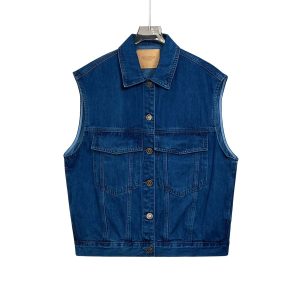
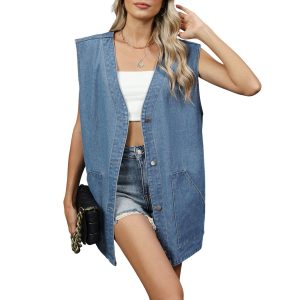
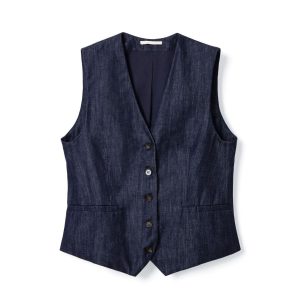
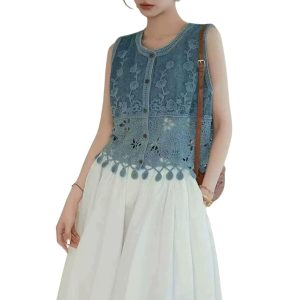
Stretch denim is no longer confined to jeans. It’s being used in various apparel lines, including activewear, jackets, and even dresses, showcasing its versatility. Partnering with a supplier that offers a broad array of products can expand your creative possibilities and product offerings.
Final Thoughts
Finding the right stretch denim fabric supplier requires careful consideration and research. By prioritizing quality, maintaining clear communication, and staying informed on industry trends, you can forge a partnership that supports your vision while meeting the demands of modern consumers. Explore your options, ask the right questions, and invest time in building a relationship that nurtures growth and innovation in your denim collection.
As the fashion landscape continues to evolve, your choice of supplier can significantly influence your brand’s identity and success in the competitive denim market. Embrace the journey and make informed decisions that align with your brand ethos, and you’ll be well on your way to creating exceptional denim products your customers will love.