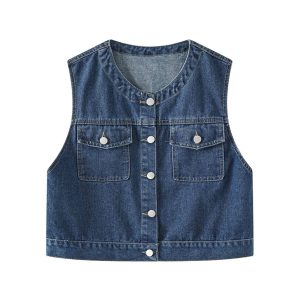
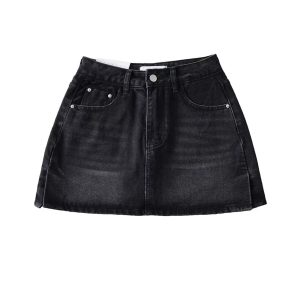
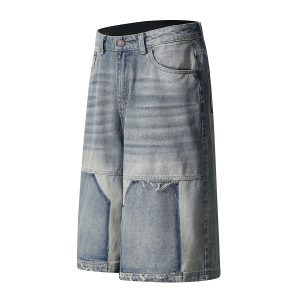
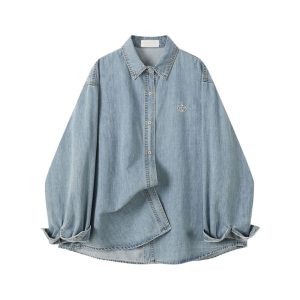
In the world of fashion, denim remains a universal staple. For brands launching apparel lines, retailers stocking casual wear, or designers chasing durable yet comfortable fabrics, identifying reliable blue jean fabric manufacturers is a foundational step. The right denim supplier can influence everything from fabric weight and hand feel to colorfastness, washability, and sustainability. This guide is designed for buyers, product developers, and sourcing teams who want to understand the landscape of blue jean fabric manufacturers, what to look for, and how to negotiate great partnerships that scale with business growth.
What is blue jean fabric and why it matters to manufacturers
Blue jean fabric, commonly known as denim, is a sturdy, drapable, indigo-dyed cotton twill fabric. The warp threads are typically dyed in indigo, while the weft threads remain undyed, producing the characteristic diagonal rib pattern when viewed on the fabric face. For many buyers, the color, weight, and character of the weave—whether it is a classic 3×1 or a more modern 2×2, selvedge versus non-selvedge—are critical signals of a manufacturer’s capability and the finished product’s performance in wear-testing. Blue jean fabric manufacturers who specialize in denim must balance fabric integrity with comfort, shrinkage control, fade patterns, and compatibility with finishing processes such as enzyme washes, stone washing, or laser fades.
Different styles and specifications you’ll commonly encounter
When shopping for blue jean fabric manufacturers, it helps to know the common classifications that influence price, feel, and appearance. The following overview can guide conversations and product specifications:
- Selvedge vs. non-selvedge denim: Selvedge denim is woven on shuttle looms, producing a clean edge that prevents fraying. It is often viewed as premium, with a distinct finish and tighter construction.
- Denim weight: Common weights range from 9 oz to 14 oz for everyday wear, with heavier weights (15 oz–22 oz) favored for workwear or premium jeans. Weight influences drape, durability, and customer perception of quality.
- Weave pattern: The classic 3×1 twill is the standard, but fashion markets also explore 2×2 or herringbone weaves for unique hand-feel and visual texture.
- Stretch and performance blends: Many blue jean fabrics incorporate elastane or other stretch fibers to improve comfort and fit. The percentage of stretch affects recovery and wash behavior.
- Finish and wash compatibility: Finishes such as sanforization (pre-shrinking), mercerization, or enzyme/stone wash effects interact with the denim’s fiber content and dye chemistry.
- Sustainability and certifications: Buyers increasingly require adherence to environmental standards and social compliance, which can be tied to a denim mill’s process certifications and supplier audits.
How denim is made: a quick tour for buyers
Understanding the denim production chain helps buyers evaluate blue jean fabric manufacturers more effectively. The journey typically involves fiber sourcing, yarn manufacturing, weaving, dyeing, and finishing. Each stage offers a set of decisions that influence final fabric performance:
- Fiber and yarns: Cotton fiber quality, staple length, and whether the yarn is ring-spun or open-end can affect strength, hand-feel, and pilling resistance. Some manufacturers also experiment with recycled cotton or enhanced blends to meet sustainability goals.
- Weaving process: The warp pull, loom type (shuttle vs. air-jet), and weaving density define the denim’s character. Selvedge goods come from shuttle looms, while mass-produced denim often uses projectile looms.
- Dyeing and finish: Indigo dyeing methods—vat dyeing, sulfur dyeing, or space-dyeing—produce the classic blue hue. Finishing steps like enzyme wash, sanforization, or ozone ozone treatments impact texture, color fastness, and environmental footprint.
- Testing and quality control: QC at various stages checks shrinkage, colorfastness to washing, abrasion resistance, and overall loom efficiency. The best blue jean fabric manufacturers integrate QC data into batch documentation for traceability.
For a buyer, a strong supplier will not only deliver a consistent fabric but also provide documentation—fiber composition, GSM or weight, width, construction details, dye chemistry, and post-weave finishing processes. Transparent communication about testing results and end-use recommendations helps ensure you receive fabric that meets your design intent and performance requirements.
What to look for when evaluating blue jean fabric manufacturers
Choosing the right denim mill or supplier is a strategic decision. Use this practical checklist to assess blue jean fabric manufacturers, especially if you are forming new partnerships or expanding production:
- Technical capability: Do they offer the range of weights, weaves, and finishes you need? Can they produce selvedge denim if required? Do they support stretch or non-stretch variants?
- Consistent quality control: Are there standardized QC procedures, in-process checks, and batch-to-batch consistency records? Do they provide test reports (colorfastness, shrinkage, pilling) with every order?
- Lead times and capacity: Can they scale to your forecast? Are there minimum order quantities and how flexible are they with small pilot lots?
- Cost structure and transparency: Are pricing models straightforward? Do they disclose the cost implications of different finishes or dye methods?
- Supply chain transparency: Can they trace fabrics from fiber to finished roll? Do they offer certifications related to labor practices or environmental stewardship?
- Sustainability credentials: Do they employ water-saving dyeing, closed-loop wastewater systems, or energy-efficient production lines? Are there third-party certifications to verify environmental claims?
- Sample program: Is there a structured sample process with clear acceptance criteria and timelines? Can they provide small-batch samples for fit and wash tests?
- Customer service and collaboration: How responsive are they to design changes, color approvals, and technical queries? Are they willing to co-develop specialty fabrics?
Global landscape: where blue jean fabric manufacturers operate
The denim supply chain spans continents, each region offering distinct strengths. Understanding regional capabilities helps buyers tailor their sourcing strategy to price, lead time, and quality expectations:
- Japan and Asia-Pacific: Japan is renowned for premium, precision-denim with meticulous finishing and selvedge expertise. Asian mills in China, Taiwan, and Southeast Asia provide a broad mix of mass-market and high-end denim, often combining advanced dye methods with scalable production.
- Europe: European mills emphasize sustainability, traceability, and heritage weaving. Italy and the broader European textile community contribute to innovative finishes and fashion-forward denim developments.
- India and the Indian subcontinent: A robust manufacturing ecosystem supports large-volume denim production, a wide range of weights, and competitive pricing. This region is a common source for branded and private-label denim lines seeking cost efficiency without sacrificing quality.
- North America: Cone Denim and other U.S. mills maintain a long-standing reputation for consistency and technical innovation. Domestic production can shorten lead times and support onshore supply chain strategies.
- Latin America and other markets: Some regions offer specialty finishes, local service centers, and regional logistics advantages that can complement larger mills.
When planning global sourcing, consider a phased approach: pilot with a domestic or regional supplier to validate performance, then scale with a trusted international partner for capacity and cost efficiency. Blending suppliers to reduce risk is a common practice among forward-thinking brands.
Sustainability and ethics: what modern blue jean fabric manufacturers are delivering
Environmental responsibility and social compliance have become core differentiation points for blue jean fabric manufacturers. Brands increasingly demand textiles that minimize water use, reduce chemical load, and ensure fair labor practices. The best mills publish sustainability reports, undergo third-party audits, and invest in innovative finishing technologies that lower environmental impact:
- Water-saving dyeing: Techniques like pad-steam dyeing, the use of low-water dye chemistry, and recirculated dye baths help reduce consumption and effluent loads.
- Closed-loop systems: Some mills employ closed-loop wastewater treatment, enabling reuse of rinse water and proper treatment of indigo and auxiliaries before discharge.
- Low-impact finishing: Enzymatic washes and laser finishing decrease reliance on harsh chemicals while delivering desirable textures and worn-in aesthetics.
- Colorfastness and waste reduction: Sustainable denim makers optimize dye chemistry and waste management to minimize color bleed and fabric rejects.
- Traceability and certifications: Buyers seek mills with standards like OEKO-TEX, bluesign, BSCI, and other regional certifications that validate chemical management, worker safety, and supply-chain transparency.
Ethical partnerships also matter. Transparent labor practices, safe working environments, fair wages, and compliance with local regulations are essential considerations. A well-chosen blue jean fabric manufacturer can align with your brand’s values while delivering consistent performance across seasons.
How to approach blue jean fabric manufacturers: a practical workflow
Turning a design concept into a finished denim roll requires a deliberate, collaborative process. The following workflow helps buyers engage blue jean fabric manufacturers efficiently while reducing risk:
- Define your spec sheet: List weight, weave style, selvedge preference, stretch percentage, color range, and finishing requirements. Include target quantities and lead times.
- Request technical documents: Ask for yarn counts, loom type, fabric width, GSM, yield, color recipes, and test reports. Request a sample swatch with a detailed spec sheet.
- Coordinate a pilot run: Start with a small order or swatch roll to validate hand-feel, wash performance, and color stability under your wash protocols.
- Run a wash-test program: Perform standardized tests (tensile strength, abrasion, colorfastness to washing, shrinkage) and compare against your benchmarks.
- Evaluate supply chain and lead times: Confirm production capacity, MTM (made-to-measure) feasibility, and on-time delivery history. Discuss contingency plans for delays.
- Negotiate terms and MOQs: Establish minimum order quantities, price breaks for bulk orders, and return policies for dye lots or defects.
- Finalize agreement and begin collaboration: Lock in color approval processes, sample sign-offs, packaging standards, and logistics arrangements.
Pro tip: maintain a shared digital archive of all documents, test results, and sample approvals. This transparency reduces miscommunication and speeds up decision-making during product development cycles.
Q&A: common questions about blue jean fabric manufacturers
Below are concise answers to frequent inquiries from readers evaluating denim mills and denim fabric suppliers:
- What should I look for in a denim sample?
- A representative sample should reflect the intended weight, hand feel, color, and finish. It should display realistic shrinkage, wash behavior, and colorfastness in quick tests. Look for consistency with subsequent bulk rolls.
- How important is the selvedge edge?
- Selvedge denim often signals premium construction and finishing care. If your target market values heritage and durability, selvedge may be a differentiator. For fast fashion or price-driven lines, non-selvedge options may be more practical.
- Can a supplier accommodate sustainable finishes?
- Many mills now offer low-water dyeing, enzyme-based washing, and closed-loop processes. Confirm their certifications and third-party verifications to ensure sustainability claims are credible.
- How long does it take to source denim fabric at scale?
- Lead times vary by weight, finish, and capacity. A pilot project might take 4–8 weeks for sampling and testing, with full-scale production ranging from 8–20 weeks depending on complexity and logistics.
Case study: a brand’s journey to a trusted blue jean fabric manufacturer
Consider a mid-sized denim brand launching a new line of premium jeans with a sustainable twist. The brand begins by listing core requirements: selvedge denim, 12 oz weight, deep indigo shade, high colorfastness, and a responsible supply chain. They locate two potential blue jean fabric manufacturers—one with a long heritage in premium denim and a second with robust mass-volume capabilities and strong sustainability credentials.
The brand initiates a pilot program with both: the premium mill provides limited-run selvedge samples with a traditional dyeing approach and meticulous finishing, while the mass-capacity mill offers a stretch-denim option and a closed-loop dyeing solution. Through a structured sample evaluation, they compare wash results, color stability after repeated cycles, and tactile impressions from wear testing. The premium mill delivers excellence in hand-feel and aging behavior, while the mass-capacity mill demonstrates consistency at scale and more favorable price points. Both partners share full test data, chemical inventories, and quality-control documentation, which helps the brand perform a risk assessment and build a supplier-diversified strategy.
Ultimately, the brand selects a primary partner for core lines and a secondary partner for seasonal or special-edition runs. This approach minimizes risk, optimizes costs, and preserves brand integrity across product families. It also ensures quick response in the event of supply chain disruptions, a reality many fashion brands face today.
Downloadable checklist for quick reference
Use this at-a-glance checklist when evaluating blue jean fabric manufacturers. Print it or save it in your supplier folder for easy access during supplier briefings:
- Demonstrated capability across denim weights required (oz range)
- Availability of selvedge denim and non-selvedge options
- Detailed technical datasheets with fiber content and yarn details
- Independent test reports for colorfastness and shrinkage
- Clear sample program with timely approvals
- Visible sustainability credentials and third-party certifications
- Transparent pricing and MOQ clarity
- Reliable lead times and scalable production capacity
- Responsive customer support and collaborative development attitude
Keep a running scorecard for each supplier to compare performance across these criteria. This method helps teams make data-driven decisions rather than relying on impressions alone.
Final considerations: building a long-term partnership with blue jean fabric manufacturers
For brands seeking a durable, scalable, and ethical supply of denim, the relationship with blue jean fabric manufacturers should be treated as a strategic asset. The strongest partnerships arise when both sides share clear expectations, transparent data, and a culture of continuous improvement. In practice, this means regular technical reviews, scheduled audits, joint development projects, and a mutual commitment to meeting market demand with responsible manufacturing practices.
As you refine your shortlist of denim mills, remember that the best blue jean fabric manufacturers aren’t just suppliers of fabric—they are co-creators of your brand’s performance, feel, and story. The right partner will listen to your design intent, anticipate wear-testing challenges, and propose practical solutions that align with budget, timeline, and sustainability goals.
Ready to begin your search for blue jean fabric manufacturers? Start with a clear brief, target three or four potential mills, and request a comprehensive technical pack, a set of pilot samples, and a transparent cost proposal. The right denim supplier will guide you from concept to scale with confidence, delivering fabrics that perform beautifully in wear tests, align with your sustainability standards, and keep your products competitive in a fast-moving market.
To learn more about blue jean fabric manufacturers or to receive a tailored supplier shortlist based on your specs, contact our sourcing specialists. We’ll help you map out a practical, efficient path to reliable denim supply that fits your brand vision and budget.