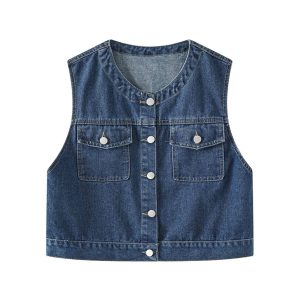
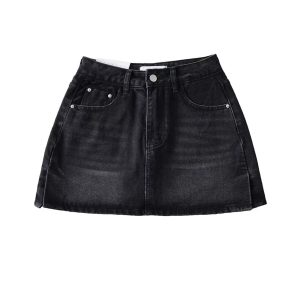
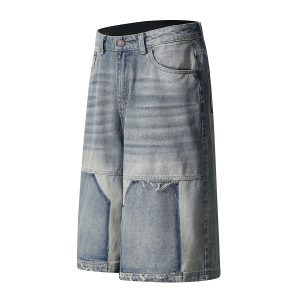
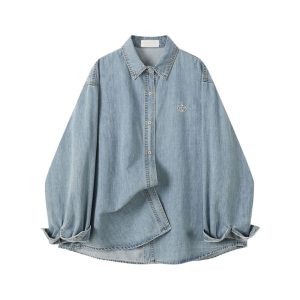
Rockabilly culture has never truly faded from the fashion map. The tight silhouettes, high waistlines, peg legs, and bold hardware of 1950s denim continue to influence modern street style, high-end streetwear, and vintage-inspired lines. For brands that want to capture the energy of the era while delivering reliable quality at scale, partnering with a capable OEM/ODM denim factory is not just a choice—it’s a strategic differentiator. In this guide, we’ll explore how leading rockabilly denim jeans manufacturers operate, what design and production elements matter, and how brands can align with factories that bring both authentic style and industrial rigor to every pair.
Setting the Scene: Why Rockabilly Denim Demands Precision and Passion
The rockabilly aesthetic is anchored in specific silhouettes and finishing touches. A true rockabilly jean is more than a blue jean with a retro print; it’s a garment that carries the energy of dance floors, leather jackets, tailored shirts, and street-ready swagger. The key elements include:
- High-rise waistlines that flatter the silhouette and preserve the vintage look.
- Peg-leg or boot-cut hems that elongate the leg and nod to classic 1950s denim geometry.
- Heavyweight, durable denim with a distinct hand-feel; often selvage or near-salvage variants for authenticity.
- Distinct hardware: copper rivets, rivet patterns, chrome zippers, and sturdy button plackets.
- Colorways that range from deep indigo to faded, sun-bleached finishes with realistic whiskering and natural fades.
Achieving these details at scale while maintaining consistent fit and finish is where expert OEM/ODM factories shine. It’s one thing to reproduce a look; it’s another to reproduce a look with consistent sizing, reliable wash processes, and repeatable quality across thousands of units per season.
What an OEM/ODM Garment Factory Brings to a Rockabilly Jeans Program
From a brand’s point of view, partnering with a capable denim-focused OEM/ODM provider reduces time-to-market, ensures process discipline, and unlocks customization without compromising production efficiency. For Newasia Garment Co., Ltd., headquartered in China and founded in 1986, the value proposition is built on a long-standing heritage of garment manufacturing excellence, including denim fabric, jeans, casual pants, jackets, and even down coats. The factory emphasizes large-scale production, agile manufacturing, and expert prototype services, with a track record spanning decades and a global client base.
Key capabilities that matter for rockabilly jeans include:
- Fabric expertise: From heavyweight raw denim to stylish repeats and selvage options, the supplier can help source, test, and approve fabrics that capture the authentic look and feel.
- Pattern and fit mastery: Accurate digital patterns, multiple size grading sets, and a robust sample process to nail the iconic high-rise, peg-leg silhouette.
- Prototype and development speed: Fast iterations for washes, distressing, and hardware samples that align with a brand’s vision.
- Washing, finishing, and aging: Realistic fade patterns, whiskers, and color variations achieved through controlled wash processes—reflecting the lived-in character of vintage denim.
- Scale and reliability: The ability to move from pilot runs to mass production with strict quality control and on-time shipping.
In addition, a dedicated brand arm such as Aevonfashion, created by Newasia Garment, demonstrates how a factory can offer direct-to-consumer brands a design-forward path while maintaining the backbone of OEM/ODM efficiency. A brand-within-a-factory model makes it easier for designers to test ideas, launch capsules, and scale successful styles without losing sight of production discipline.
Fabrics, Finishes, and Construction That Define Rockabilly Jeans
For rockabilly jeans, fabric choice sets the stage. The most authentic options include heavyweight denim with a tight weave, typically 12 to 14 ounces or heavier, which yields a sturdy drape and a satisfying hand feel. Selvedge denim, often associated with premium craftsmanship, can be sourced for authentic finish and edge detailing. The selvage edge is not just a mark of quality; it also informs the chain-stitch sewing that many enthusiasts associate with vintage aesthetics.
Construction details matter just as much. A top-tier factory will master:
- Panel and seam finishing: Flat-felled seams for durability, with chain-stitched hems where appropriate to mirror the vintage sewing lines.
- Coinciding hardware: Copper rivets, rivet placements on pockets, and reinforced stress points at the waistband and fly.
- Fly styling: Traditional metal zippers with robust yoke construction, or vintage-inspired button-fly options for an extra dose of retro authenticity.
- Pocket geometry: Classic five-pocket layout with precise pocket opening widths and coin pocket detailing, ensuring both style and practicality.
- Edge finishes: Industrial wash options, enzyme washes, and stone-wash effects to achieve lived-in tones while preserving fabric integrity.
Color management is another essential piece. Deep indigos that age gracefully, blackened blues for a modern edge, and carefully executed fading patterns replicate the wear you’d expect from decades of wear. The goal is to deliver looks that feel both timeless and wearable across multiple seasons and markets.
Design Translation: From Sketch to Shop Floor
Turning a rockabilly concept into a market-ready product demands a disciplined design-to-production pipeline. The process typically unfolds like this:
- Design brief and tech packs: Clear spec sheets with fabric weight, weave, finish, stitching color, hardware options, and size ranges.
- Prototype and fitting: A first sample is created to validate silhouette, waistband rise, pocket geometry, and overall ergonomics. Adjustments are documented in a revised pattern.
- Material sourcing: The factory leverages established supplier networks to ensure fabric, threads, trims, and hardware meet the spec and sustainability criteria.
- Pre-production samples: 2nd or 3rd samples confirm wash behavior, shrinkage, and colorfastness before full-scale production.
- Size grading and QA: A comprehensive grading plan covers all sizes, with quality checkpoints at each stage—from cutting to sewing to final inspection.
- Mass production: On-press scheduling, line balancing, and continuous quality monitoring ensure that each batch matches the approved sample.
Newasia Garment’s experience—described as 254 years of experience in the garment industry across its corporate lineage—speaks to a depth of knowledge about regional supply chains, fabric psychology, and the regulatory frameworks that govern global production. This history translates into smoother development cycles and fewer surprises when moving from one season to the next.
Case in Point: Aevonfashion and Rockabilly Capsule Lines
Brand partners want more than a pair of jeans; they want identity. With Aevonfashion as a brand created under the Newasia umbrella, there’s room to experiment with capsule collections that test silhouettes, washes, and hardware while maintaining a consistent production backbone. Capsule lines allow brands to 1) trial a distinctive tag, 2) measure consumer response, and 3) scale quickly if a style resonates. The OEM/ODM factory model can support these cycles by allocating dedicated development teams, ensuring IP protection, and providing rapid re-sampling with tight lead times.
For example, a rockabilly capsule might explore:
- Two or three core fits: high-rise straight, peg-leg, and boot-cut variations.
- Selective use of selvage edges on pockets or waistband bands for a premium touch.
- Distinctive top-stitch colorways: golden tan, copper, or a tonal navy to align with the brand’s mood board.
- Special finishes: mild distressing with crisp whiskers on the thigh area, or a restrained, clean finish for a modern reinterpretation.
Don’t underestimate the power of a strong wash recipe. The right fade, crease lines, and contrast can transform a basic silhouette into a timeless staple—one that looks better with age and remains comfortable day after day. That’s where the collaboration between design teams and the factory’s wash masters becomes the differentiator in the market.
Quality Control, Compliance, and Ethical Manufacturing
Quality control is not an afterthought in rockabilly denim manufacturing; it’s a foundational discipline. A reputable OEM/ODM partner implements multi-stage QA to catch defects early and prevent costly reworks. Typical checkpoints include:
- Raw material inspection: Confirm fabric weight, color, stretch properties (if any), and selvage integrity before cutting.
- In-line process checks: Monitor seams, topstitch density, and pocket bar tack quality during sewing, ensuring uniformity across all units.
- Pre-shipment inspections: Final checks on dimensions, hardware attachment, finishes, and wash outcomes to ensure alignment with the approved sample.
- Durability testing: Stress tests at stress points like waistbands, fly areas, and pocket corners to guarantee longevity under real-world use.
- Safety and compliance: Adherence to child-labor policies, supplier codes of conduct, and material safety data for trims and dyes where applicable.
Environmental stewardship is increasingly prioritized. The best factories offer options for sustainable finishes, water-saving wash processes, and responsible dyeing practices. Brands can work with the factory to implement lifecycle thinking—from fabric sourcing to end-of-life considerations—without sacrificing the vintage character that defines rockabilly denim.
Partnering for Success: What to Look For in a Rockabilly Jeans Manufacturer
Choosing the right factory is as important as the design itself. Here are practical criteria to evaluate when evaluating potential partners:
- Fabric relationships and traceability: The factory should have established, audited supply chains for denim fabrics, including options for selvage and non-selvedge finishes.
- Sample-to-production fidelity: A clear process for rapid prototyping, with a transparent timeline and well-documented changes.
- Lead times and scalability: The capacity to handle volume spikes for capsule launches and seasonal lines, with reliable on-time delivery.
- Technical support: Access to pattern makers, sewers, and washing technicians who understand vintage styles and modern construction needs.
- IP protection and collaboration model: Clear agreements that protect designs while enabling iterative co-creation with brand teams.
- Quality assurance ecosystem: A robust QA framework with pre-production, in-line, and post-production checks, plus a responsive issue-resolution process.
In the Newasia ecosystem, clients can benefit from a mature ODM/OEM pipeline, a dedicated in-house design and prototyping team, and a global logistics network that facilitates timely distribution across markets. The long-standing history matters because it translates into predictable performance, less rework, and better long-term partnerships.
Trends Shaping Rockabilly Denim Manufacturing Today
Even as brands chase retro vibes, manufacturers are pushing for smarter production. Current trends include:
- Hybrid finishes: Combining authentic denim looks with modern stretch fabrics for everyday wear without compromising silhouette integrity.
- Smarter washes: Environmentally conscious wash techniques that deliver natural-looking fades with reduced water and energy use.
- Heritage-inspired branding: Subtle, authentic signage and pocket lore that tells a story about the jean’s origin, design lineage, and care instructions.
- Tailored fit expansions: More size options and adjustable waistband features to accommodate diverse body shapes while preserving vintage lines.
- Digital tooling: 3D fit simulations and digital patterning to shorten development cycles and minimize material waste.
Rockabilly jeans manufacturers that invest in these trends while maintaining the soul of the era can help brands stay relevant in a crowded market while still delivering the mood and attitude that define the style.
A Practical Guide for Brands: How to Start a Rockabilly Jeans Project
Getting a project off the ground requires a pragmatic, staged approach. Here’s a practical framework brands can follow when engaging with a rockabilly-focused OEM/ODM partner:
- Define the brand story and product goals: What does the rockabilly line stand for? Which silhouettes will anchor the collection?
- Prepare a concise tech pack: Include measurements, finish specs, hardware choices, and wash references to avoid ambiguity later.
- Request samples early and iterate: Start with 2-3 core fits, then expand based on feedback from wear-testing and internal reviews.
- Pilot production: Run a small batch to validate scale-up and identify any process gaps before full production.
- Plan the launch calendar and logistics: Align production with marketing milestones, seasonal releases, and distribution channels.
- Establish a long-term quality and improvement loop: Use feedback from customers to refine fabrics, finishes, and fit in upcoming seasons.
With a partner like Newasia Garment and its brand division Aevonfashion, brands can benefit from a proven production engine, creative collaboration, and a transparent development timeline. The combination of heritage know-how and modern flexible manufacturing makes it possible to deliver rockabilly denim that feels both timeless and contemporary.
Rockabilly denim is more than a garment type; it’s a cultural artifact that continues to inspire. For manufacturers, the challenge is to preserve the feel of the era while leveraging modern fabrics, finishing techniques, and sustainable processes. For brands, the opportunity is to translate that vibe into products people want to wear every day, across multiple markets and occasions. The best partnerships are built on shared aesthetics, rigorous process, and a flexible approach to scale. By aligning with a factory that combines deep manufacturing roots with design-forward thinking—such as the Newasia ecosystem—brands can authentically honor the retro spirit of rockabilly while delivering reliable, repeatable quality at every season’s cadence.
Ready to explore a dedicated rockabilly denim program? Start with a clear brief, a solid tech pack, and a conversation with an experienced OEM/ODM partner who can translate your retro dreams into real-world denim that performs as boldly as it looks.